
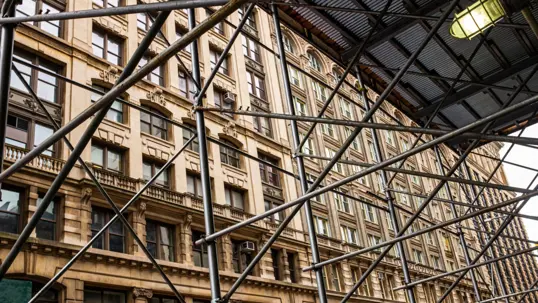
An unexpected injury on someone else’s property can turn your daily routine upside down in seconds. Dealing with sudden medical expenses, missed paychecks, and intense physical recovery often leaves injured victims feeling isolated and unsure of where to turn. Understanding how local property safety laws work is the first step toward regaining control and holding responsible parties accountable.
Understanding the Legal Duty of Property Owners
Under New York law, property owners, landlords, and commercial operators must maintain their premises in a reasonably safe condition for visitors, tenants, and patrons. This fundamental responsibility requires routine property upkeep, timely hazard repairs, and adequate warnings about potential risks that are not immediately obvious. When a business or residential owner neglects regular maintenance—such as leaving a broken stairway railing unaddressed or ignoring a known leak—they breach their legal duty of care. Proving that this basic obligation existed between the property controller and the injured visitor serves as the foundation for any premises liability action.
Proving Actual or Constructive Notice
Simply proving that an unsafe condition existed on the premises is rarely enough to establish legal fault. An injured individual must also demonstrate that the owner knew about the hazard or should have identified it through standard maintenance procedures.
- Actual Notice: The owner, property manager, or on-site staff directly created the dangerous condition or received an earlier formal complaint about it before your incident occurred.
- Constructive Notice: The specific hazard existed for a long enough duration that regular property inspections would have revealed it, meaning the owner reasonably should have known it was present.
- Recurring Hazard Evidence: Documentation showing that a specific defect—such as an unaddressed roof leak that frequently pools water in a walkway—happens repeatedly without permanent repairs.
Establishing notice prevents negligent owners from avoiding responsibility by claiming they were entirely unaware of the dangerous condition.
Common Types of Property Hazards in New York
Premises liability disputes arise in various everyday settings across our local communities, from bustling commercial shopping plazas to private rental complexes. Slip, trip, and fall incidents frequently stem from uneven walkways, cracked sidewalks, torn indoor carpeting, poorly lit hallways, or lingering snow and ice accumulation near building entrances. Other incidents involve structural defects, including failing balcony railings, falling debris in commercial venues, or malfunctioning elevators. Each property type carries distinct maintenance guidelines, and evaluating the exact physical defect remains a vital factor in establishing who controlled the area where the harm occurred.
Crucial Steps to Take After an Injury
The actions taken immediately following an incident on dangerous premises directly influence the outcome of an injury claim. Taking proactive measures helps preserve time-sensitive physical evidence before the property owner can clean, repair, or alter the scene.
- Seek Prompt Medical Care: Visit an emergency clinic or physician immediately to ensure your health is protected and your injuries are formally documented on your official medical record.
- Document the Hazard Thoroughly: Capture clear photographs and videos of the scene, paying close attention to the defect, footwear, lighting conditions, and any absent warning signage.
- Report the Incident to Management: Request an official written incident report from the store manager, landlord, or security team, and secure a physical copy before departing.
Gathering names and phone numbers from eyewitnesses can provide objective third-party accounts that support your version of events during subsequent negotiations.
The Role of New York’s Comparative Fault Law
Many property owners and insurance carriers try to reduce payouts by claiming the victim contributed to their own fall. New York follows a pure comparative negligence model, which means an injured party can still recover financial compensation even if they share some responsibility for what happened. Under this legal framework, a court examines the actions of all involved individuals, assessing factors such as divided attention or ignoring clear warning markers. The final compensation award is adjusted downward by the exact percentage of fault assigned to the claimant, making clear evidence of owner negligence essential.
Protect Your Rights with Experienced Legal Guidance
Navigating premises liability claims involves handling aggressive insurance adjusters, gathering corporate maintenance records, and meeting strict state filing deadlines. Our team at Sholes Miller Rodriguez & Brown, PLLC focuses on investigating property negligence, demonstrating constructive notice, and fighting for the full compensation you deserve for medical bills, rehabilitation, and lost earnings. If you or a loved one suffered harm due to a hazardous condition on someone else’s property, contact Sholes Miller Rodriguez & Brown, PLLC today at (845) 286-4503 to schedule a confidential consultation.